Semax
At a glance
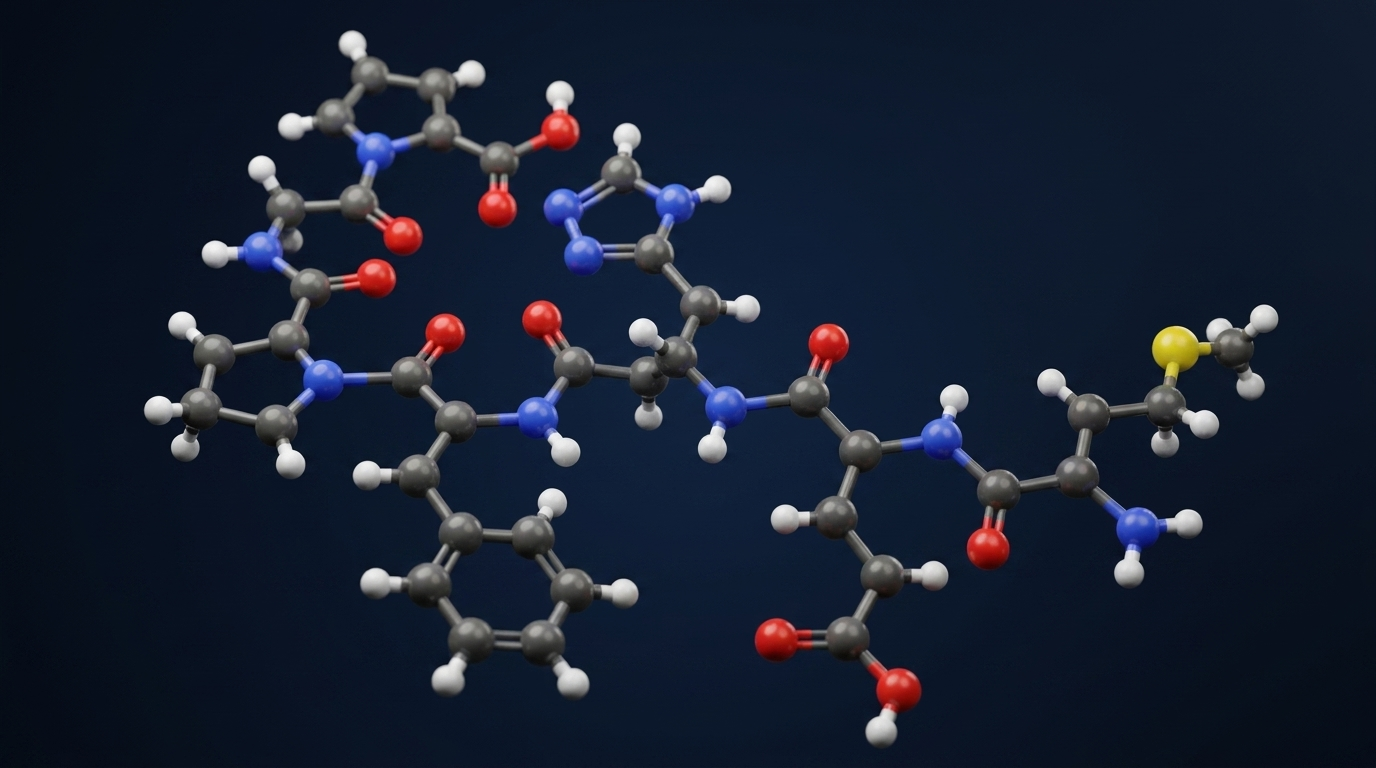
Semax is a synthetic peptide, an analog of the adrenocorticotropic hormone (ACTH) fragment ACTH(4-10), identified by the sequence Met-Glu-His-Phe-Pro-Gly-Pro. It is primarily studied for its neuroprotective and nootropic properties, including promoting neuronal survival, enhancing cognitive function, and modulating the hypothalamic-pituitary-adrenal (HPA) axis. Research also explores its potential applications in conditions such as traumatic brain injury (TBI) and ischemic stroke, as well as its influence on immune and vascular system gene expression. The evidence supporting its therapeutic applications is largely derived from preclinical studies and limited clinical investigations, with ongoing research to further elucidate its mechanisms and efficacy.
Identity
| Molecular formula | C37H51N9O10S |
|---|---|
| Molecular weight | 813.9 g/mol |
| PubChem CID | 9811102 |
| Class | Nootropic & Neuro |
Explore Semax by topic
- Semax: Benefits & Effects
- Semax: Brain & Nervous System
- Semax: Comparisons & Stacks
- Semax: Dosing, Forms & Administration
- Semax: Healing & Tissue Repair
- Semax: Mechanisms & How It Works
- Semax: Metabolic & Body Composition
- Semax: Practical & Buying Guidance
- Semax: Research Evidence & Trials
- Semax: Safety, Side Effects & Regulation
Every question we answered (40)
- How does Semax exert its neuroprotective effects?
- What is the mechanism of action of Semax in modulating the hypothalamic-pituitary-adrenal axis?
- How does Semax influence wound healing processes?
- What role does Semax play in promoting recovery from traumatic brain injury?
- What are the cognitive benefits of Semax administration in animal models?
- What are the potential benefits of Semax in treating neurodegenerative diseases?
- How does Semax impact the expression of neurotrophic factors in the brain?
- What are the effects of Semax on the dopaminergic system?
- How does Semax influence metabolic processes in the body?
- What are the effects of Semax on glucose metabolism?
- What is the optimal dosing regimen for Semax to achieve maximum therapeutic effects?
- How does the dosing of Semax affect its neuroprotective properties?
- What are the potential side effects and safety concerns associated with Semax use?
- How does long-term Semax administration affect overall health and well-being?
- What clinical evidence supports the use of Semax in treating neurological disorders?
- What preclinical data support the use of Semax for cognitive enhancement?
- How does Semax compare to other peptide-based treatments in terms of efficacy and safety?
- What are the advantages and disadvantages of Semax versus traditional pharmacological treatments for stress-related disorders?
- What practical considerations should be taken into account when using Semax in a clinical setting?
- How can Semax be effectively integrated into a comprehensive treatment plan for neurological disorders?
- How does Semax modulate the release of stress-related hormones?
- What is the role of Semax in promoting neuroregeneration following injury?
- What are the potential benefits of Semax in enhancing memory and learning processes?
- How does Semax affect synaptic plasticity and neurotransmission?
- What are the metabolic pathways influenced by Semax?
- How does the duration of Semax treatment impact its therapeutic effects?
- What are the short-term and long-term safety profiles of Semax?
- What clinical trials have been conducted to evaluate the efficacy of Semax in treating cognitive impairments?
- How does Semax compare to other cognitive enhancers in terms of mechanism of action and side effects?
- What are the practical challenges associated with Semax administration and management?
- How does Semax influence the expression of genes related to neuroprotection?
- What is the role of Semax in mitigating the effects of ischemic stroke?
- What are the potential benefits of Semax in treating psychiatric disorders?
- How does Semax affect the levels of neurotransmitters in the brain?
- What are the effects of Semax on energy metabolism and mitochondrial function?
- How does the route of Semax administration affect its pharmacokinetics and pharmacodynamics?
- What are the known drug interactions associated with Semax use?
- What preclinical evidence supports the use of Semax in treating anxiety disorders?
- How does Semax compare to other peptides in terms of efficacy and safety for the treatment of depression?
- What are the practical considerations for Semax use in elderly patients?
References
- Boundless Upgrade Your Brain, Optimize Your Body and Defy — Ben Greenfield
- EDR Peptide Possible Mechanism of Gene Expression and — Khavinson, Vladimir
- Handbook of Biologically Active Peptides
- Neuroprotective Effects of Tripeptides—Epigenetic Regulators — Khavinson, Vladimir (author)
- Peptide Protocols Volume One — William A Seeds MD
- Traumatic brain injury in mice and pentadecapeptide BPC 157 — Mario Tudor
- s10522-010-9307-2
- Basic and Clinical Aspects of Growth Hormone
- Developmental trauma disorder_ toward a rational diagnosis for children with complex trauma histories
- Endocrinology_ Adult and Pediatric
- Gene Therapy in Neurological Diseases
- Goodman and Gilman's The Pharmacological Basis of Therapeutics
- Growth Hormone Secretagogues in Clinical Practice
- Hypothalamic Integration of Energy Metabolism
- Life Force
- Molecular Neuroscience
- Neuroanatomy of Metabolic Control
- Selenium_ Its Molecular Biology and Role in Human Health
- The Developmental Capacity of Nuclei
- Antimicrobial Peptides and Human Disease
- Antimicrobial Peptides_ Basics for Clinical Application
- Dermatologic Surgery
- Dermatology_ 2-Volume Set
- Gene Therapy_ Therapeutic Mechanisms and Strategies
- Hybridoma Technology in the Biosciences and Medicine
- Pentadecapeptide BPC 157 (PL 14736) improves ligament — Tomislav Cerovecki
- Pentadecapeptide BPC 157 reduces bleeding time and — Mirjana Stupnisek
- Principles of Regenerative Medicine
- Stem Cells_ From Basic Research to Therapy
- The Biology of Copper Complexes
- Fat for Fuel_ A Revolutionary Diet to Combat Cancer, Boost Brain Power, and Increase Your Energy
- Peptide therapy with pentadecapeptide BPC 157 in traumatic — Gjurasin, Miroslav
- Regenerative Medicine_ A New Era of Medicine is Here
- Development of Human Gene Therapy
- Influence of peptides on memory processes
- Oligopeptides and memory_ neuropeptide modulation of learning and memory processes
- Peptide Therapeutics_ Design and Development
- Stroke_ Pathophysiology, Diagnosis, and Management
- The Neurobiology of Pain
- Young blood reverses age-related impairments in cognitive function and synaptic plasticity in mice
- AEDG Peptide (Epitalon) Stimulates Gene Expression and — Khavinson, Vladimir
- Gene Therapy for Neurological Disorders
- Reversal of cognitive decline_ A novel therapeutic program
- Cellular Transplantation_ From Lab to Clinic
- Gene Therapy in Ophthalmology
- In Situ Hybridization Techniques for the Brain
- Stem Cell Biology and Gene Therapy
- Parkinson's Disease_ From Clinical Aspects to Molecular Basis
- Role of Amino Acids and Carbohydrates in Skeletal Muscle Protein Metabolism
- The New Mind-Body Science of Depression — Vladimir Maletic, Charles Raison, Rhonda Patrick
- The pharmacological properties of the novel peptide BPC 157 — P Sikiric(Affiliation Department of Pharmacology, Medical
- Electrophysiological analysis of colour reception in the eye of the eel
- GHRH, GH, and IGF-1_ Basic and Clinical Advances
- Gene and Cell Therapy_ Therapeutic Mechanisms and Strategies
- Metabolic Syndrome_ Underlying Mechanisms and Drug Therapies
- Nutrition and Metabolism in Sports, Exercise and Health
- Textbook of Natural Medicine
- The hungry brain outsmarting the instincts that make us — Stephan J Guyenet
- Weigh Less, Live Longer_ Dr. Lou Aronne's 'Getting Healthy' Plan
- GLP-1_ A New Drug for the Treatment of Type 2 Diabetes