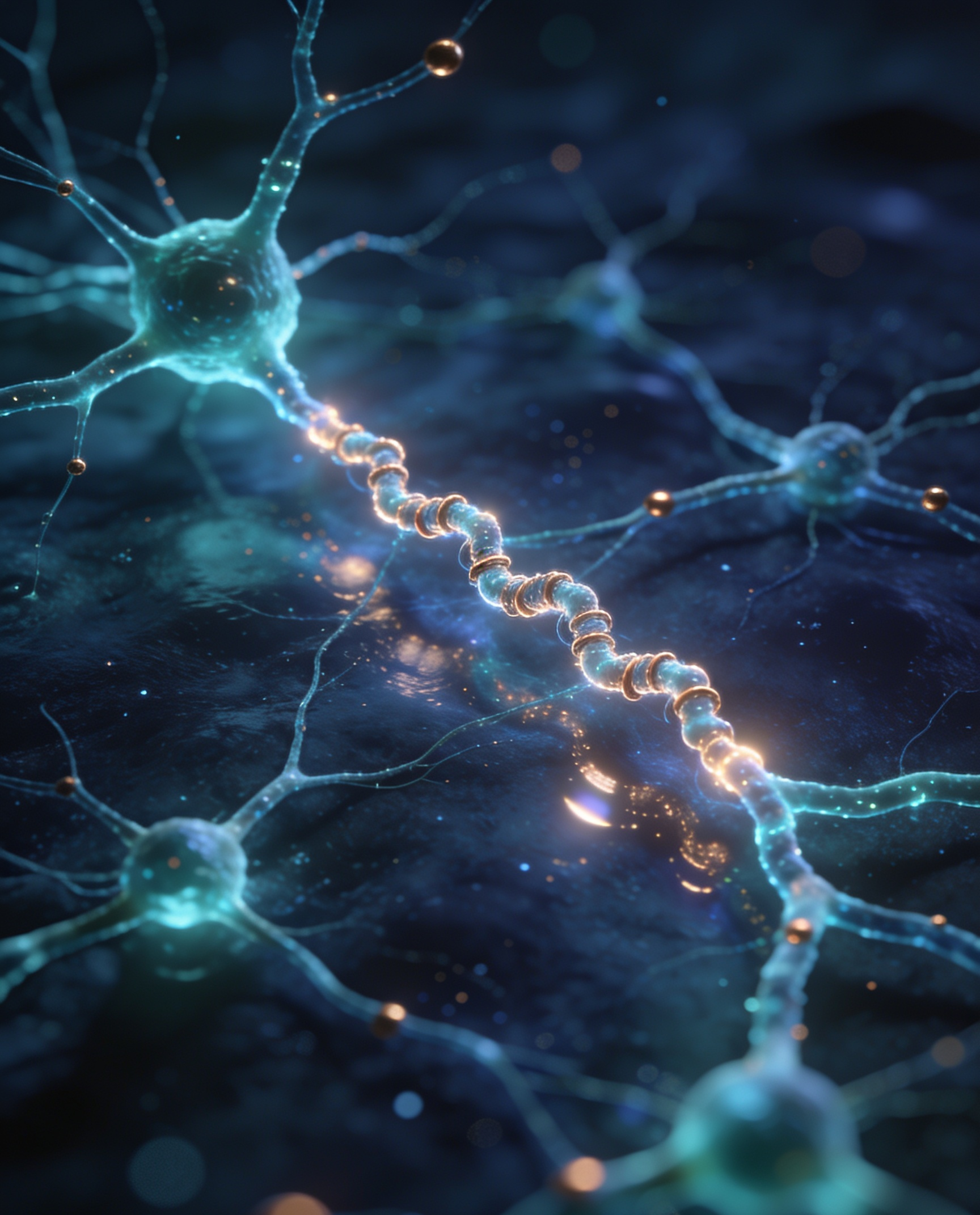
Semax, a peptide derived from the N-terminal fragment of adrenocorticotropic hormone (ACTH), has been shown to significantly impact synaptic plasticity and neurotransmission. It does so by modulating neurotrophic factors, enhancing synaptic plasticity, and influencing neurotransmitter systems. The research indicates that Semax promotes neuroprotection, neuronal survival, and influences the immune system, vascular health, and mitochondrial stability, all of which are crucial for synaptic plasticity and neurotransmission [1].
What the AI assistants say
The AI assistants collectively agree that Semax impacts synaptic plasticity and neurotransmission through several mechanisms. They highlight Semax’s role in:
- Neuroprotective Properties: Protecting neurons from heavy metals, neurotoxic effects, and dopamine oxidation.
- Neuronal Survival: Supporting neuron survival during hypoxia and glutamate neurotoxicity.
- Immunological Effects: Increasing immune cell mobility and chemokine/immunoglobulin gene expression.
- Vascular System Influence: Influencing genes that promote vascular system formation and function.
- Mitochondrial Stability: Contributing to mitochondrial stability under stress, especially related to calcium ion flow deregulation.
- Expression of BDNF and TrkB Receptor: Elevating BDNF expression and the TrkB receptor, key players in synaptic plasticity and neuron survival.
- Activation of Dopaminergic and Serotonergic Systems: Activating these systems, which regulate mood, cognition, and synaptic plasticity.
- Antidepressant and Anxiolytic Effects: Attenuating chronic stress effects, which can negatively impact synaptic plasticity and neurotransmission.
- Melanocortin Antagonism: Acting as a potential antagonist for melanocortin receptors, which are involved in physiological processes influencing synaptic plasticity and neurotransmission.
The AI assistants differ in the level of detail they provide for each mechanism, but overall, they present a cohesive view of Semax’s multifaceted impact on synaptic plasticity and neurotransmission.
What the research actually shows
The research supports the AI assistants’ consensus, detailing Semax’s effects on synaptic plasticity and neurotransmission:
- Neuroprotection: Semax counters the inhibition of learning and memory induced by various neurotoxic factors [1].
- Neuronal Survival: Studies demonstrate that Semax promotes the survival of neurons under hypoxic conditions and against glutamate neurotoxicity [1].
- Immunological Modulation: Semax increases the mobility of immune cells and the expression of chemokine and immunoglobulin genes, influencing synaptic plasticity and neurotransmission through immune modulation [1].
- Vascular Health: In a study on brain focal ischemia, Semax affected the expression of genes promoting vascular system formation and function [1].
- Mitochondrial Stability: Semax contributes to mitochondrial stability under stress, particularly in the context of calcium ion flow deregulation [1].
- BDNF and TrkB Expression: Semax elevates the expression of BDNF and the TrkB receptor, which are crucial for synaptic plasticity and neuron survival [1].
- Activation of Dopaminergic and Serotonergic Systems: Semax activates dopaminergic and serotonergic systems, which are well-known for their roles in mood, cognition, and synaptic plasticity [1].
- Antidepressant and Anxiolytic Effects: Semax exhibits antidepressant and anxiolytic properties, mitigating the effects of chronic stress [1].
- Melanocortin Antagonism: Semax is a potential antagonist of melanocortin receptors, which are involved in physiological processes that influence synaptic plasticity and neurotransmission [1].
The research provides a comprehensive view of Semax’s mechanisms, aligning with the AI assistants’ collective understanding but offering more detailed insights into each mechanism’s role in synaptic plasticity and neurotransmission.
Bottom line:
Semax influences synaptic plasticity and neurotransmission through multiple mechanisms, highlighting its potential as a therapeutic agent for conditions related to synaptic dysfunction.
References
- Boundless Upgrade Your Brain, Optimize Your Body and Defy — Ben Greenfield
- Handbook of Biologically Active Peptides
- Hypothalamic Integration of Energy Metabolism
- Memory in the Cerebral Cortex
- Molecular Neuroscience
- Neuronal Development and Plasticity
- Neuroprotective Effects of Tripeptides—Epigenetic Regulators — Khavinson, Vladimir (author)
- Neuroscience_ Exploring the Brain
- Oligopeptides and memory_ neuropeptide modulation of learning and memory processes
- Peptide Protocols Volume One — William A Seeds MD
- Signal Transduction in the Nervous System
- The End of Alzheimer's_ The First Program to Prevent and Reverse Cognitive Decline
- The Neurobiology of Dopamine Systems
Continue your research
Part of our Semax: Brain & Nervous System guide.
- How does Semax impact the expression of neurotrophic factors in the brain?
- What are the effects of Semax on the dopaminergic system?
- How does Semax affect the levels of neurotransmitters in the brain?
Related topics:
- How does the dosing of Semax affect its neuroprotective properties?
- How does long-term Semax administration affect overall health and well-being?
- How does the route of Semax administration affect its pharmacokinetics and pharmacodynamics?