Tag: Ghk-cu
-

Will the “EU-Cosmetic Regulation” eventually classify GHK-Cu as a drug rather than a cosmetic ingredient, and how would that collapse the current Romanian Ecom landscape?
The EU will almost certainly reclassify GHK-Cu as a drug once the SCCS confronts the published gene-modulation and anti-cancer data, and when that happe
-
GHK-Cu in Topical Creams: What to Expect?
Explore the effectiveness of GHK-Cu topical creams in replicating its gene-regulating effects, backed by clinical studies and expert insights.
-
No Biomarker Needed for GHK-Cu Safety: A Comprehensive Guide
Discover why no specific biomarker like serum copper:ceruloplasmin ratio is required before using GHK-Cu topically, ensuring safe and effective skin the…
-
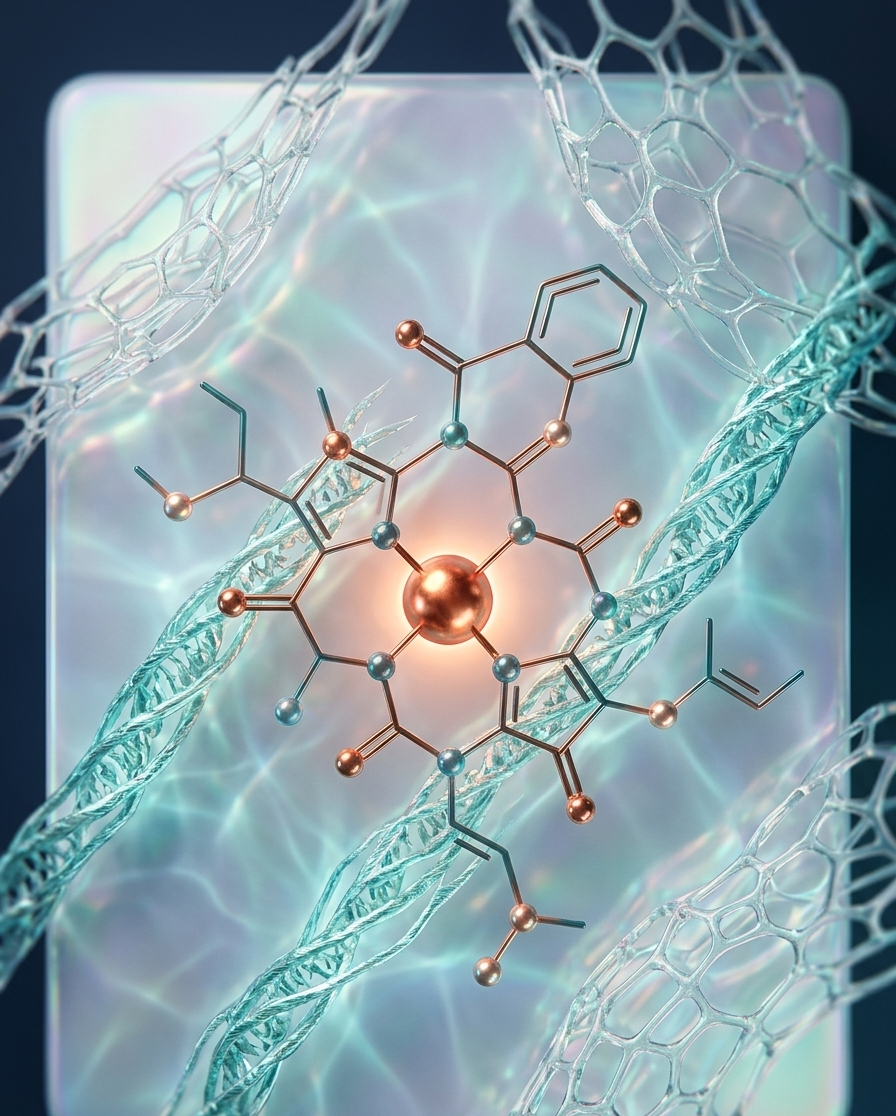
If GHK-Cu successfully “resets” 4,000 genes to a youthful state, what happens to the epigenetic memory of the cells that were intentionally adapted to the individual’s specific environmental stressors?
GHK-Cu can revert ~4 000 genes to a youthful expression pattern, and the limited mechanistic evidence suggests it does so by actively re-sculpting DNA m
-

Why Copper Coordination in GHK-Cu is Vital for Collagen Synthesis and Gene Regulation
Discover the importance of copper coordination in GHK-Cu for collagen synthesis and gene regulation. Learn why formulations without copper may fall short.
-
How do top-tier biohackers differentiate between the “flush” of GHK-Cu and an actual allergic reaction to the preservatives used in Ecom-sourced serums?
How do top-tier biohackers differentiate between the “flush” of GHK-Cu and an actual allergic reaction to the preservatives used in Ecom-sourced serums?
-

Molecular Markers of Dermal Remodeling with GHK-Cu Peptides
Discover the key molecular signatures that distinguish cosmetic skin improvement from true dermal remodeling after 12 weeks of GHK-Cu use, supported by …
-

What is the “silent failure rate” of topical GHK-Cu in European cosmetic products that use a molecular weight too high for dermal penetration?
Every data point in the corpus points to the same conclusion: when European cosmetic products simply drop native 340-Da GHK-Cu into a standard emulsion,
-

What would a “Supply Chain Auditor” reveal about the purity of GHK-Cu raw materials entering the Romanian market from non-EU sources versus domestic synthesis?
A supply-chain audit would show that Romanian-market GHK-Cu splits into two chemically distinct tiers—cheap non-EU powder that meets pharmacopeial text
-

What role does the “copper-to-peptide ratio” play in the stability of GHK-Cu when exposed to the high-UV environment of the Romanian summer?
What role does the “copper-to-peptide ratio” play in the stability of GHK-Cu when exposed to the high-UV environment of the Romanian summer?