Retatrutide
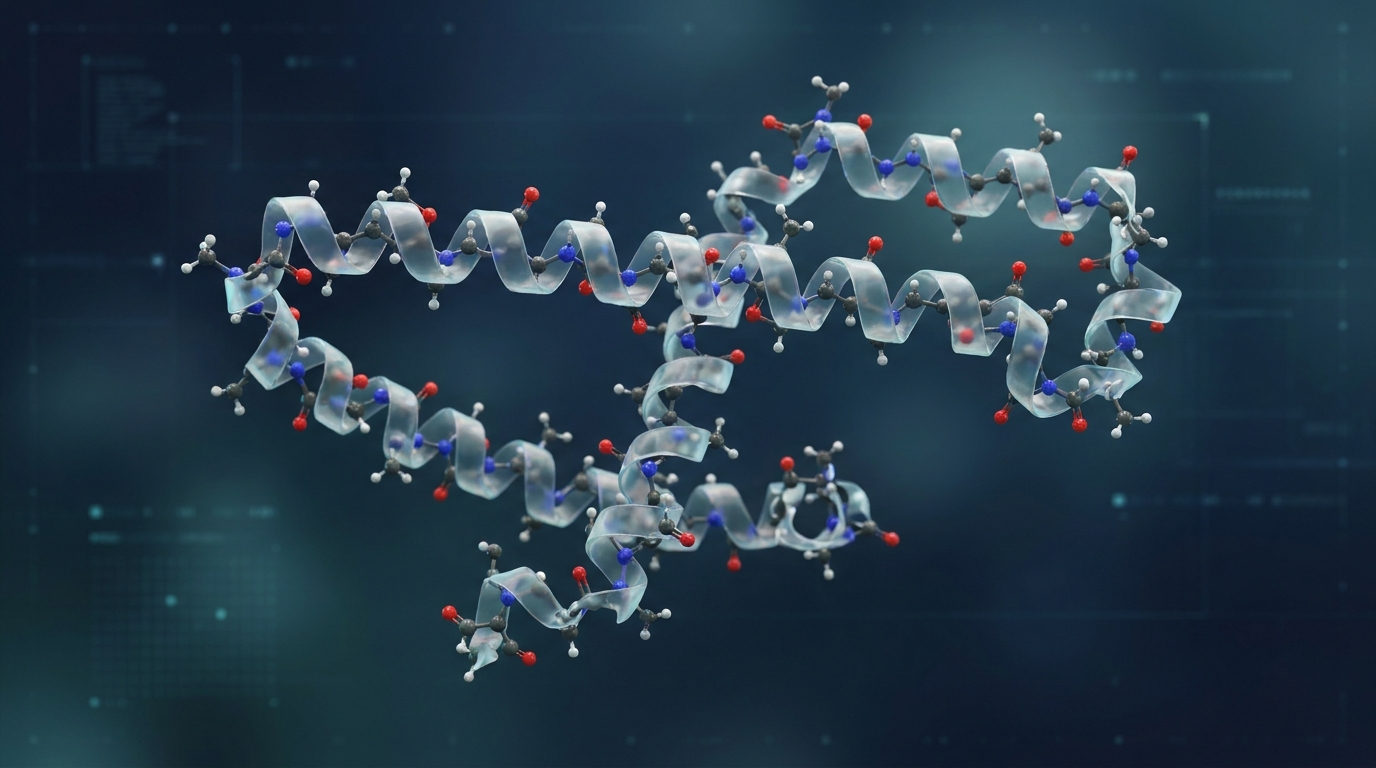
At a glance
Retatrutide is an investigational synthetic peptide categorized as a novel glucagon-like peptide-1 (GLP-1), glucose-dependent insulinotropic polypeptide (GIP), and glucagon receptor triple agonist.
It is primarily being studied for its potential in inducing weight loss, improving blood sugar regulation, and managing obesity-related conditions, including potential cardiovascular benefits.
Its molecular mechanisms involve stimulating insulin release, inhibiting glucagon, and slowing gastric motility, which collectively contribute to increased satiety and reduced caloric intake.
Evidence for its efficacy in these areas is emerging from advanced clinical trials, building upon the established benefits observed with related single or dual agonist therapies.
Identity
| Class | Metabolic & Weight Loss |
|---|
Explore Retatrutide by topic
- Retatrutide: Benefits & Effects
- Retatrutide: Brain & Nervous System
- Retatrutide: Comparisons & Stacks
- Retatrutide: Dosing, Forms & Administration
- Retatrutide: Healing & Tissue Repair
- Retatrutide: Mechanisms & How It Works
- Retatrutide: Metabolic & Body Composition
- Retatrutide: Practical & Buying Guidance
- Retatrutide: Research Evidence & Trials
- Retatrutide: Safety, Side Effects & Regulation
Every question we answered (40)
- How does retatrutide work at the molecular level to induce weight loss in humans?
- In what ways can retatrutide aid in the healing process of various medical conditions?
- What are the potential benefits of retatrutide for patients with obesity-related conditions?
- How does retatrutide affect neurological functions and what evidence supports its role in neuroprotection?
- What metabolic pathways are influenced by retatrutide, and how do these changes contribute to its therapeutic effects?
- What are the recommended dosing regimens for retatrutide, and how do they impact treatment outcomes?
- What are the known side effects and safety concerns associated with the use of retatrutide?
- What clinical trials provide evidence for the efficacy and safety of retatrutide in weight management?
- How does retatrutide compare to other weight loss medications in terms of efficacy and side effects?
- What practical considerations should healthcare providers take into account when prescribing retatrutide to patients?
- Can you explain the mechanism by which retatrutide influences appetite and satiety?
- How might retatrutide contribute to the healing process in patients with non-communicable diseases?
- What are the long-term health benefits of using retatrutide for weight management?
- Is there any evidence to suggest that retatrutide can improve cognitive function or mood?
- How does retatrutide impact glucose metabolism and insulin sensitivity in patients with obesity?
- What factors should be considered when determining the appropriate dosage of retatrutide for an individual patient?
- What monitoring is recommended for patients receiving retatrutide to ensure treatment safety?
- What preclinical studies have been conducted to explore the potential benefits of retatrutide?
- In comparison to lifestyle interventions, how effective is retatrutide in promoting weight loss?
- What are the practical challenges associated with the administration of retatrutide?
- How does retatrutide interact with the endocannabinoid system to modulate food intake?
- Can retatrutide play a role in the treatment of inflammatory bowel diseases and if so, what is the proposed mechanism?
- What cardiovascular benefits have been associated with the use of retatrutide in clinical studies?
- Are there any studies investigating the effects of retatrutide on neurodegenerative diseases?
- How does retatrutide influence lipid metabolism and what are the implications for metabolic health?
- What are the potential dosing adjustments needed for patients with renal or hepatic impairment when using retatrutide?
- What are the most common adverse events reported in clinical trials involving retatrutide?
- What Phase III clinical trials have been conducted to evaluate the efficacy of retatrutide for weight loss?
- How does the safety profile of retatrutide compare with that of other GLP-1 receptor agonists?
- What patient education is necessary for those starting retatrutide therapy to ensure compliance and safety?
- What is the role of retatrutide in modulating the hypothalamic control of energy balance?
- Can retatrutide promote wound healing and if so, what is the underlying mechanism?
- Are there any documented benefits of retatrutide in patients with polycystic ovary syndrome?
- Does retatrutide have any direct effects on the brain, and if so, what are they?
- How does retatrutide impact the metabolic syndrome, particularly in terms of blood pressure and cholesterol levels?
- What is the rationale behind the dosing frequency of retatrutide, and can it be adjusted based on patient response?
- What specific precautions should be taken when using retatrutide in patients with a history of pancreatitis?
- What real-world evidence is available regarding the effectiveness of retatrutide in weight loss management?
- How does the efficacy of retatrutide compare with that of other anti-obesity drugs in terms of weight loss and maintenance?
- What are the practical implications of retatrutide's weight loss effects on the quality of life for obese patients?
References
- Boundless Upgrade Your Brain, Optimize Your Body and Defy — Ben Greenfield
- Bromocriptine_ An Old Drug with New Uses
- Contemporary Endocrinology_ Leptin
- Energy Metabolism and Obesity_ Research and Clinical Applications
- Gene Therapy_ Therapeutic Mechanisms and Strategies
- Gene and Cell Therapy_ Therapeutic Mechanisms and Strategies
- Handbook of Biologically Active Peptides
- Hypothalamic Integration of Energy Metabolism
- Living a Fully Optimized Life
- Peptide drug discovery and development _ Translational — edited by Miguel Castanho and
- The Perricone Prescription
- The hungry brain outsmarting the instincts that make us — Stephan J Guyenet
- UltraMetabolism
- Weigh Less, Live Longer_ Dr. Lou Aronne's 'Getting Healthy' Plan
- Weight Management_ State of the Science and Opportunities for Military Programs
- Growth Hormone Secretagogues in Clinical Practice
- Life Force
- Live Longer, Live Well_ The 6 Lifestyle Pillars for a Long and Healthy Life
- Peptide Protocols Volume One — William A Seeds MD
- Peptide Therapeutics_ Design and Development
- Spontaneous Healing_ How to Discover and Enhance Your Body's Natural Ability to Maintain and Heal Itself
- Telomerase, Aging and Disease
- Textbook of Natural Medicine
- A Randomized, Controlled Trial of 3.0 mg of Liraglutide in Weight Management
- Effects of Glucagon-Like Peptide-1 Receptor Agonists on Weight Loss_ Systematic Review and Meta-Analyses of Randomised C
- Endocrinology_ Adult and Pediatric
- Oxidative Stress and Inflammation in Non-communicable Diseases_ Molecular Mechanisms and Perspectives in Therapeutics
- Pathophysiology of Obesity and its Comorbidities
- Pharmacotherapy of obesity_ clinical trials to clinical practice
- Principles of Geriatric Medicine and Gerontology
- Testosterone_ A Man's Guide
- Cellular Transplantation_ From Lab to Clinic
- EDR Peptide Possible Mechanism of Gene Expression and — Khavinson, Vladimir
- Neuroimmunity and the Brain
- The End of Alzheimer's_ The First Program to Prevent and Reverse Cognitive Decline
- Traumatic brain injury in mice and pentadecapeptide BPC 157 — Mario Tudor
- s10522-010-9307-2
- Amino Acids and Proteins for the Athlete
- Bioorthogonal Chemistry_ Applications in Life Science and Drug Discovery
- Cellular Regulation by Protein Phosphorylation
- Dermal Immunity and Inflammation
- GHRH, GH, and IGF-1_ Basic and Clinical Advances
- Genomic Medicine_ Principles and Practice
- Geroprotectors_ the scientific basis of anti-aging interventions
- Goodman and Gilman's The Pharmacological Basis of Therapeutics
- Mesenchymal stem cells in regenerative medicine_ current status and future perspectives
- Metabolic Syndrome and Psychiatric Illness
- Metabolic Syndrome_ Underlying Mechanisms and Drug Therapies
- Neuroanatomy of Metabolic Control
- GHK and DNA Resetting the Human Genome to Health — Loren Pickart
- Growth hormone-releasing peptides and musculoskeletal health
- Therapeutic Peptides and Proteins Formulation, Processing — Ajay K Banga
- Anabolics
- Anabolics 10th Edition
- Biologic Therapy in Dermatology
- Doping in Sports_ Biochemical Principles, Effects and Analysis
- Endocrine Secrets
- Essentials of Strength Training and Conditioning
- Performance-Enhancing Substances in Sport and Exercise
- Psoriasis_ Diagnosis and Management