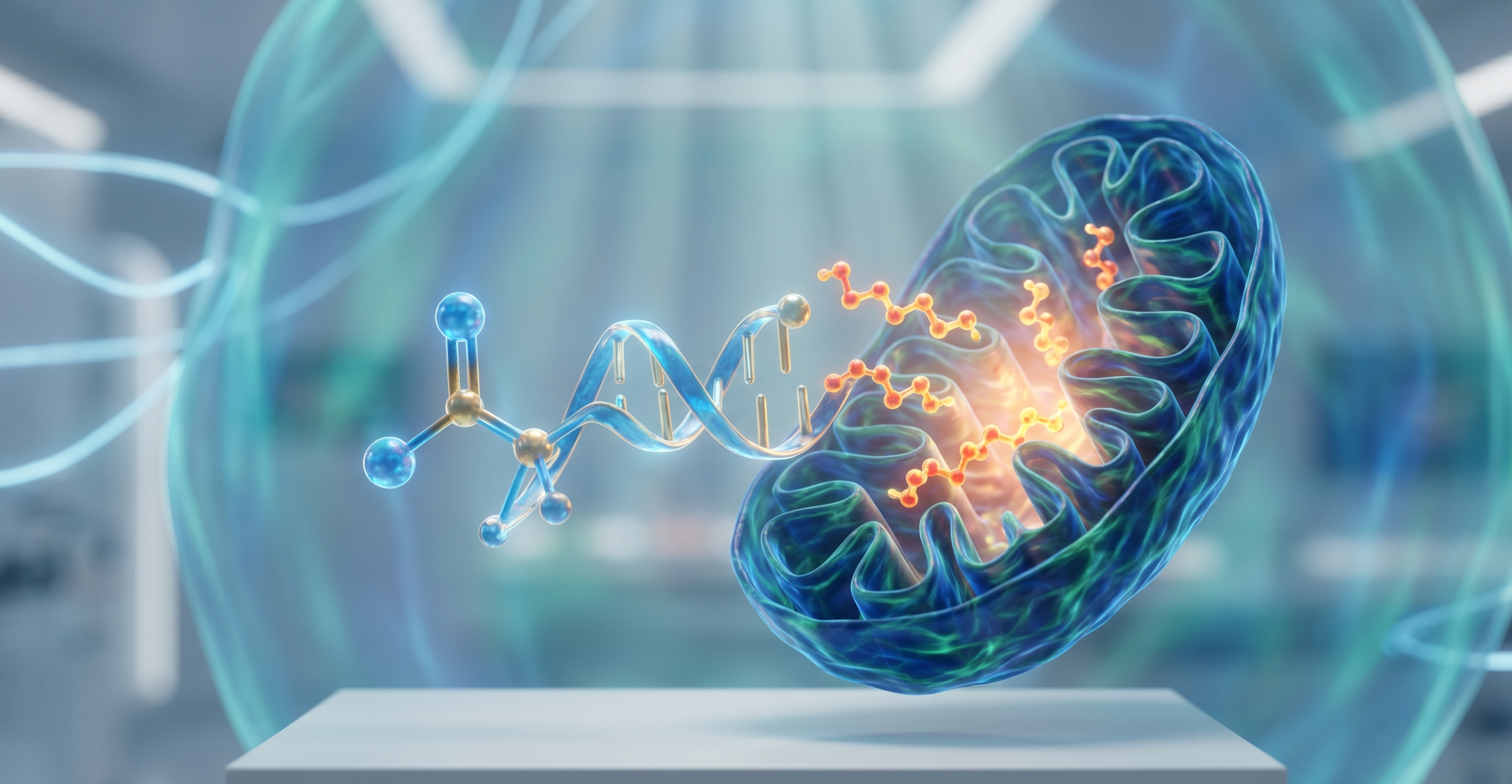
Class & Mechanism — L-Carnitine is an amino acid derivative that plays a crucial role in fatty acid metabolism. It facilitates the transport of long-chain fatty acids into the mitochondria for beta-oxidation, which is essential for energy production. As a supplement, L-Carnitine is used to enhance fat metabolism and support cellular energy levels, particularly in athletic performance and certain medical conditions.
Research-documented benefits — [1]: Supports increased muscle mass in athletes. [2]: Completely safe at recommended dosages without known toxicity. [3]: Improves skin penetration when incorporated into microemulsions. [4]: Supports heart function, fat metabolism, energy production, neurotransmitter activity, and pH regulation. [5]: Helps prevent lactic acid increase and acts as a vasodilator, enhancing blood flow and oxygen delivery. [7]: Shuttles fat through the mitochondrial membrane for energy and clears lactic acid buildup. [10]: Provides cellular energy to both healthy individuals and those with chronic diseases.
General-knowledge benefits — L-Carnitine is known to improve exercise performance, reduce fatigue, and support cardiovascular health. It may also have neuroprotective effects and could play a role in weight management by enhancing fat oxidation.
Typical injectable protocol — Research-only. The typical adult human dose ranges from 1 to 2 grams per day, adjusted for individual needs, and can be taken with meals to reduce gastrointestinal intolerance.
Key risks / contraindications — High doses may cause gastrointestinal issues, and there is a potential for a "fishy" odor due to the metabolism of carnitine by intestinal bacteria. Individuals with kidney or liver disease should exercise caution.
Bottom line — L-Carnitine is primarily used to support energy metabolism, particularly in athletic performance and certain medical conditions affecting fat metabolism.
References
- Advanced Gene Delivery_ From Concepts to Pharmaceutical Products
- Amino Acids and Proteins for the Athlete
- Cosmeceuticals and Active Cosmetics
- Cosmetic Bootcamp Primer
- Cosmetic Dermatology_ Principles and Practice
- Cosmetic Dermatology_ Products and Procedures
- Dermatologic Surgery
- Disease Prevention and Treatment
- Eat Fat, Get Thin
- GHK Peptide as a Natural Modulator of Multiple Cellular — Loren Pickart
- Gene Therapy for Inherited Metabolic Diseases
- Grow young with HGH _ the amazing medically proven plan to
- LH-RH analogues_ I. Comparative biological properties of LH-RH analogues
- Metabolic Syndrome and Psychiatric Illness
- Nutrition and Metabolism in Sports, Exercise and Health
- Peptide Therapeutics_ Design and Development
- Performance-Enhancing Substances in Sport and Exercise
- Prodrugs_ Challenges and Rewards
- Sports Supplements_ A Complete Guide
- Textbook of Natural Medicine
- The Encyclopedia of Natural Medicine
- The Perricone Prescription
- The Poliquin Principles
- The Science of Fitness_ Power, Performance, and Endurance
- The effect of pentadecapeptide BPC 157, H-blockers — Predrag Sikiric
- The gut balance revolution boost your metabolism, restore — Mullin, Gerard E
- Therapeutic Peptides and Proteins Formulation, Processing — Ajay K Banga
- Vein Diagnosis and Treatment_ A Comprehensive Approach
- Vitamins and Minerals 101