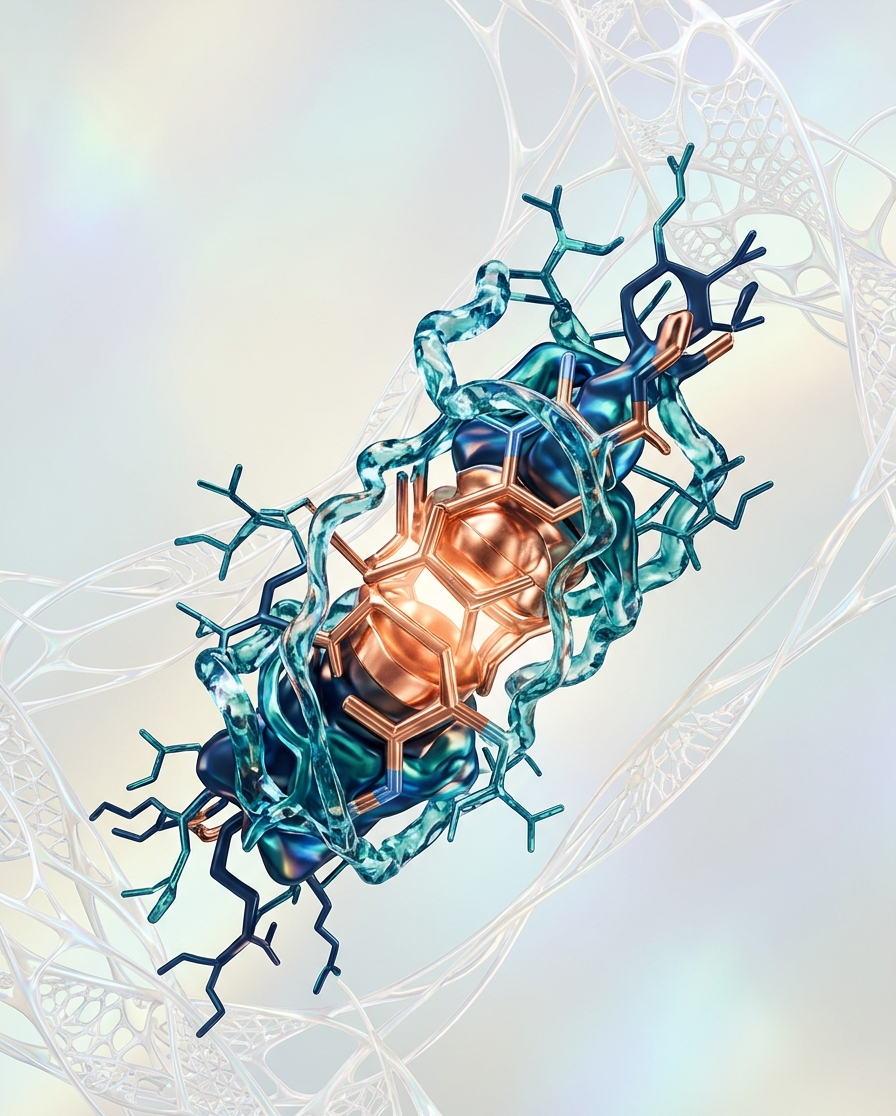
Potential Benefits of GHK-Cu in the Treatment of Acne and Acne Scars
GHK-Cu (glycyl-L-histidyl-L-lysine complexed with copper) offers potential benefits for both active acne and acne scars, primarily through its wound healing, anti-inflammatory, and tissue remodeling properties. While it is not a direct antimicrobial or comedolytic agent for active acne, its ability to stimulate collagen, modulate extracellular matrix (ECM), and reduce inflammation may support skin recovery from lesions and improve the appearance of scars, particularly when used as an adjunctive treatment.
What the AI assistants say
AI assistants generally agree that GHK-Cu is more plausible for improving acne scars than for treating active acne. They highlight several shared mechanisms of action:
- Anti-inflammatory properties: GHK-Cu is said to modulate inflammatory responses by downregulating pro-inflammatory cytokines like TNF-α, IL-1β, and IL-6, and potentially inhibiting pathways such as NF-κB and p38 MAPK. This could reduce the redness, swelling, and pain of active acne, and potentially limit post-inflammatory sequelae.
- Antioxidant effects: It acts as an antioxidant by scavenging reactive oxygen species (ROS) and upregulating endogenous antioxidant enzymes like superoxide dismutase (SOD) and catalase, which could protect skin cells from damage and reduce inflammation. It also quenches toxic lipid peroxidation products.
- Collagen and elastin remodeling: GHK-Cu is described as a potent stimulator of collagen (types I, III, V) and elastin synthesis, as well as glycosaminoglycan (GAG) production. It also modulates matrix metalloproteinases (MMPs) and their inhibitors (TIMPs) to promote balanced ECM turnover, helping to “fill in” atrophic scars and improve skin texture and elasticity.
- Wound healing and tissue regeneration: It accelerates wound healing by promoting angiogenesis (via VEGF upregulation), re-epithelialization, and cellular proliferation of fibroblasts and keratinocytes. This could prevent severe scarring from active lesions and support remodeling of existing scars.
However, there are nuances in their responses:
- Antimicrobial activity: While AI assistants largely agree that GHK-Cu’s direct antibacterial activity against C. acnes is not well-established or a primary mechanism, one suggests that the copper ion it delivers possesses inherent broad-spectrum antimicrobial properties, potentially reducing C. acnes indirectly.
- Direct acne treatment: AI assistants generally agree that GHK-Cu does not clearly reduce sebum, normalize follicular keratinization, or directly kill C. acnes as effectively as standard acne treatments like retinoids or benzoyl peroxide. It is therefore not considered a standalone or primary acne medication.
- Clinical evidence: AI assistants acknowledge that direct clinical evidence for GHK-Cu in acne scars is small and limited. One assistant points to a small study (24 patients) suggesting that copper peptide serum combined with dermarolling resulted in a 50% scar depth reduction compared to 26% with dermaroller alone, but notes the study’s limitations. Another mentions a more recent before/after study (May 2023-Oct 2024) but deems its design weak. The overall view is that GHK-Cu’s role in scar treatment is adjunctive, often paired with procedures like microneedling or lasers.
- Risks and practical use: Potential topical risks include stinging, redness, dermatitis, irritation, or acne-like flares. There is also a caution against improper use, such as applying non-sterile cosmetic serums after microneedling onto broken skin, which can increase irritation or infection risk. GHK-Cu is suggested as a support serum after inflammation, a post-procedure adjunct, or for barrier repair, rather than a replacement for established acne or scar treatments.
What the research actually shows
The potential benefits of GHK-Cu (glycyl-L-histidyl-L-lysine complexed with copper) in the treatment of acne and acne scars can be inferred from its established properties and actions in wound healing, skin regeneration, and tissue remodeling. While the provided sources do not specifically mention acne or acne scars, they do highlight several effects of GHK-Cu that are relevant to these conditions.
- Wound Healing and Skin Regeneration: GHK-Cu has been shown to possess significant wound healing properties. It accelerates wound healing and contraction, improves the take of transplanted skin, and possesses anti-inflammatory actions [21,22]. This suggests that GHK-Cu could potentially aid in the healing process of acne lesions, reducing inflammation and promoting faster recovery [15].
- Stimulation of Collagen Synthesis: GHK-Cu stimulates collagen synthesis in cultured fibroblasts at very low, non-toxic concentrations [23]. Since acne scars are often a result of collagen degradation and abnormal collagen remodeling, the ability of GHK-Cu to stimulate collagen production could contribute to the reduction of acne scars by promoting healthier tissue repair and regeneration [15].
- Tissue Remodeling: GHK-Cu has been found to stimulate both the synthesis and breakdown of collagen and glycosaminoglycans, acting as a main regulator of wound healing and skin remodeling processes [25]. This dual action could be beneficial in the treatment of acne scars, as it may help to both stimulate the production of new, healthy tissue and break down scar tissue, leading to improved skin texture and reduced scarring [15].
- Antioxidant Activity: The antioxidant actions of GHK-Cu include inhibiting the formation of reactive carbonyl species, detoxifying toxic products of lipid peroxidation, protecting keratinocytes from lethal UVB radiation, and preventing hepatic damage by dichloromethane radicals [16]. While these actions are not directly related to acne or acne scars, they do suggest that GHK-Cu could have a protective effect on the skin, potentially reducing oxidative stress and inflammation associated with acne lesions [13].
- Improvement of Skin Quality: In cosmetic applications, GHK-Cu has been found to increase the thickness of the dermis and epidermis, enhance elasticity, reduce wrinkles, and result in the removal of imperfections such as blotchiness and sun damage [17]. These effects suggest that GHK-Cu could potentially improve the overall appearance and texture of the skin, which may be beneficial for individuals with acne scars [17].
- Gene Regulation: GHK-Cu has been shown to affect the expression of a significant number of genes, with the Broad Institute’s Connectivity Map indicating that GHK induces a 50% or greater change of expression in 31.2% of human genes [13]. This gene regulatory activity could potentially influence various skin processes relevant to acne and acne scars, although more specific research would be needed to confirm this [13].
In conclusion, while the sources do not directly address the use of GHK-Cu for acne and acne scars, the properties and actions of GHK-Cu discussed suggest several potential benefits. These include enhanced wound healing, stimulation of collagen production, tissue remodeling, antioxidant activity, improvement of skin quality, and gene regulation. These effects could contribute to the treatment of acne by reducing inflammation and promoting faster lesion healing, and for acne scars by promoting tissue regeneration and reducing the appearance of scars. However, it is important to note that these potential benefits are inferred from the general properties of GHK-Cu and would require specific clinical studies to confirm their efficacy in the context of acne and acne scars.
Where the AI consensus and the research diverge
The AI assistants provide more specific inferred benefits related to acne pathophysiology, explicitly discussing aspects like Cutibacterium acnes and the lack of direct antimicrobial efficacy, as well as the limited human clinical evidence for GHK-Cu in acne scars, often in conjunction with procedures like microneedling. The provided research corpus, while laying out fundamental GHK-Cu mechanisms (wound healing, collagen synthesis, tissue remodeling, antioxidant, skin quality improvement, gene regulation), explicitly states that it does not directly address acne or acne scars. Therefore, the research corpus offers the foundational biological actions, while the AI assistants extend these into more direct, albeit still inferred or minimally supported by clinical data, applications for acne and its scarring, and address the lack of direct targeting of acne’s primary drivers.
Bottom line: GHK-Cu offers promising mechanistic benefits for wound healing, inflammation, and tissue remodeling relevant to acne and scars, but direct, robust clinical evidence for its efficacy as a standalone treatment, especially for active acne, remains limited, making its role primarily adjunctive.
References
- GHK Copper Peptides for Skin and Hair Beauty — Pickart PhD, Dr Loren
- GHK Peptide as a Natural Modulator of Multiple Cellular — Loren Pickart
- GHK and DNA Resetting the Human Genome to Health — Loren Pickart
- GHK-Cu may Prevent Oxidative Stress in Skin by Regulating — Pickart, Loren
- Skin Regenerative and Anti-Cancer Actions of Copper Peptides — Pickart, Loren
- The Human Tripeptide GHK-Cu in Prevention of Oxidative — Loren Pickart
- The human tri-peptide GHK and tissue remodeling — Loren Pickart(Skin Biology, 4122 Factoria Boulevard
Continue your research
Part of our GHK-Cu: Benefits & Effects guide.
- What are the potential benefits of GHK-Cu in the context of skin rejuvenation and anti-aging treatments?
- What are the documented benefits of GHK-Cu in improving skin elasticity and reducing the appearance of fine lines and wrinkles?
- What are the potential benefits of GHK-Cu in the treatment of hair loss and promotion of hair growth?
Related topics:
- What are some practical considerations when incorporating GHK-Cu into a skincare routine or medical treatment protocol?
- What research supports the neuroprotective effects of GHK-Cu, and how might it be utilized in the treatment of neurological disorders?
- How does GHK-Cu influence copper homeostasis, and what are the potential health implications of these effects?