Tag: Bpc-157
-
What is the network topology of intracellular signaling when BPC-157 interacts with NO, VEGF, and serotonin systems, and where are the key fragile nodes that, if overstimulated, could produce maladaptive angiogenesis or neuropathic pain?
What is the network topology of intracellular signaling when BPC-157 interacts with NO, VEGF, and serotonin systems, and where are the key fragile nodes
-
When athletes self-administer BPC-157 intramuscularly for tendon injury, what are the three most common iatrogenic complications attributable to route-of-administration (infection, misinjection, localized fibrosis), and how do those risks compare to supervised clinical injection standards?
When athletes self-administer BPC-157 intramuscularly for tendon injury, what are the three most common iatrogenic complications attributable to route-o
-
In people using peptide stacks (e.g., Semax + Tesamorelin + BPC-157), what emergent endocrine feedbacks arise from combined GH-axis modulation and neurotrophic peptide use that are absent in single-peptide studies?
The Semax–Tesamorelin–BPC-157 stack creates a self-reinforcing hypothalamic circuit that simultaneously amplifies GH/IGF-1, preserves LH/androgen output
-
If BPC-157’s primary clinical signal is modulation of endothelial function rather than direct tissue regeneration, how would that change dosing, safety monitoring, and target conditions for athletic recovery?
If BPC-157’s primary clinical signal is modulation of endothelial function rather than direct tissue regeneration, how would that change dosing, safety
-
Under what physiological conditions does BPC-157 fail to promote healing, and what does that reveal about its true mechanism of action?
BPC-157 fails precisely when the injury destroys the very cells whose signalling it is designed to amplify—sensory C-fibres, vascular endothelium or cir
-
How does TB-500 compare to other regenerative peptides such as BPC-157 or Epitalon in terms of tissue repair speed, mechanism of action, and clinical applicability?
How does TB-500 compare to other regenerative peptides such as BPC-157 or Epitalon in terms of tissue repair speed, mechanism of action, and clinical ap
-
How does Hexarelin Acetate compare to other peptide-based therapies like BPC-157 or TB-500 in terms of tissue repair and regenerative potential?
How does Hexarelin Acetate compare to other peptide-based therapies like BPC-157 or TB-500 in terms of tissue repair and regenerative potential?
-
If most perceived benefits of peptides like BPC-157 are mediated by systemic anti-inflammatory cascades rather than direct tissue repair, are users misattributing mechanism to outcome?
The literature converges on the conclusion that BPC-157’s celebrated “regeneration” is largely an indirect effect of extinguishing inflammation and oxid
-
What are the distinct advantages and disadvantages of Epithalon compared to other prominent anti-aging peptides like BPC-157 or GHK-Cu in specific therapeutic applications?
What are the distinct advantages and disadvantages of Epithalon compared to other prominent anti-aging peptides like BPC-157 or GHK-Cu in specific thera
-
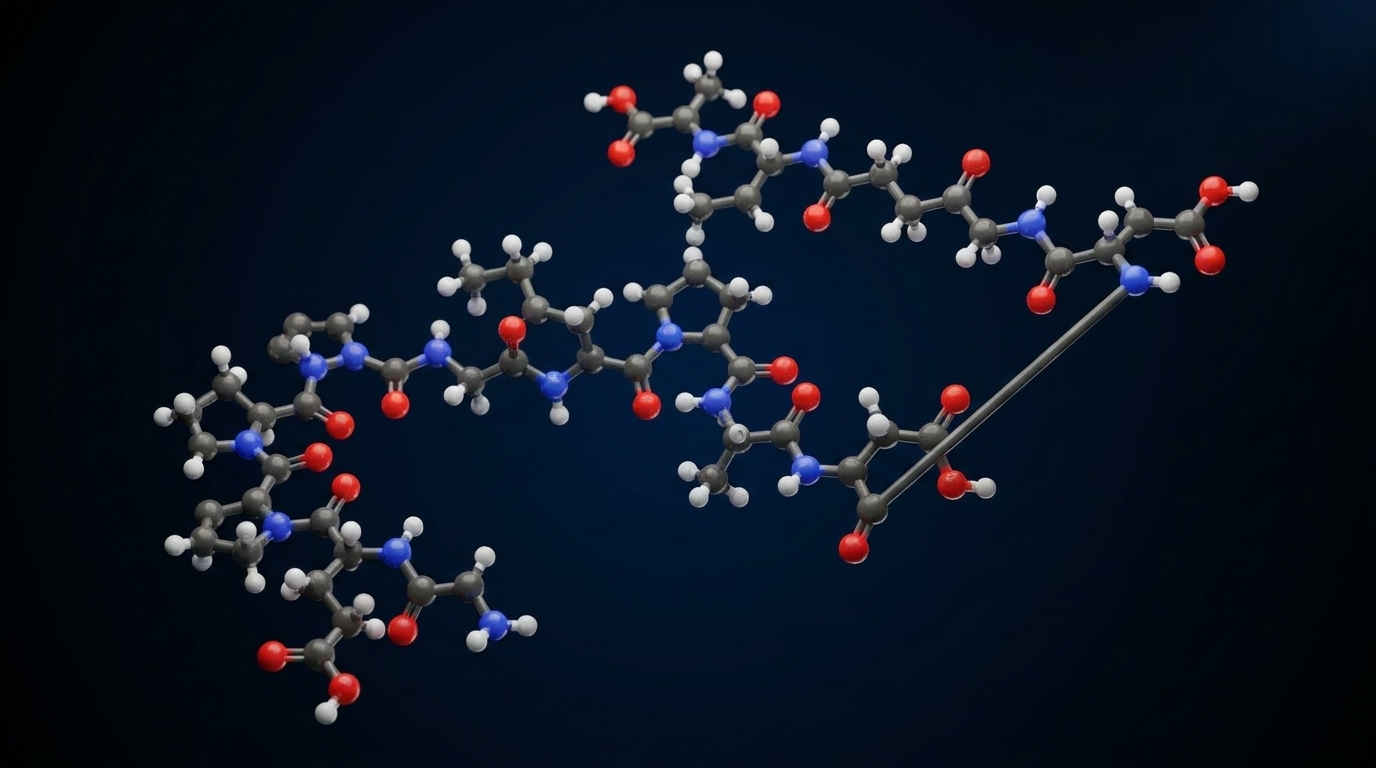
BPC-157: The Complete Peptide Guide
BPC-157: mechanisms, benefits, dosing, safety & the research evidence — the complete guide.