A peptide is only as good as its verification. Below is a plain-English, scientifically accurate guide to the analytical tests reputable independent laboratories run on research peptides — what each one measures, and why it matters. PeptideXR sells nothing and runs no tests; this is an educational reference so you can read a Certificate of Analysis (COA) with confidence.
HPLC Purity

What it measures: High-Performance Liquid Chromatography separates a sample into its components as they pass through a column, producing a chromatogram of peaks. The target peptide’s peak area as a percentage of the total gives the purity (e.g. 99.1%). The remaining percentage is impurities — truncated sequences, deletion/insertion analogs, or process residues.
Why it matters: Purity is the headline number on a COA. Low purity means you are dosing unknown by-products. Reputable peptides typically report ≥98% by HPLC. Always check which detector and gradient were used, since purity can be inflated by a poorly resolved method.
Mass Spectrometry (LC-MS / MS) — Identity
What it measures: Mass spectrometry ionizes the molecule and measures its mass-to-charge ratio, confirming the molecular weight matches the intended peptide’s theoretical mass. LC-MS/MS adds fragmentation to confirm the actual sequence, not just the mass.
Why it matters: HPLC tells you how pure; mass spec tells you whether it is actually the right molecule. A sample can be 99% pure… of the wrong compound. Identity confirmation is the test that catches substitution and mislabeling.
Quantification (Concentration)
What it measures: The actual mass of active peptide per vial, measured against a calibrated reference standard (typically by HPLC-UV). A vial labeled “10 mg” may contain 8 mg — or 11 mg.
Why it matters: Dosing accuracy depends entirely on real content. Quantification exposes under-filled (or over-filled) vials and distinguishes net peptide content from gross powder weight (which includes salts and water).
Sterility (TAMC + TYMC)
What it measures: Microbial contamination — the Total Aerobic Microbial Count (TAMC) and Total Yeast & Mold Count (TYMC) — by culturing a sample and counting any colony-forming units that grow.
Why it matters: Any compound intended for reconstitution and injection in research must be free of bacterial and fungal contamination. Sterility failures are a direct safety hazard, independent of how pure the molecule is.
Bacterial Endotoxin (LAL)
What it measures: Endotoxins (lipopolysaccharides shed by Gram-negative bacteria) using the Limulus Amebocyte Lysate (LAL) assay, reported in endotoxin units (EU/mg).
Why it matters: Endotoxins survive sterilization and can trigger fever and severe inflammatory reactions even when a sample is technically “sterile.” A low endotoxin result is a key marker of clean manufacturing.
Heavy Metals (ICP-MS)
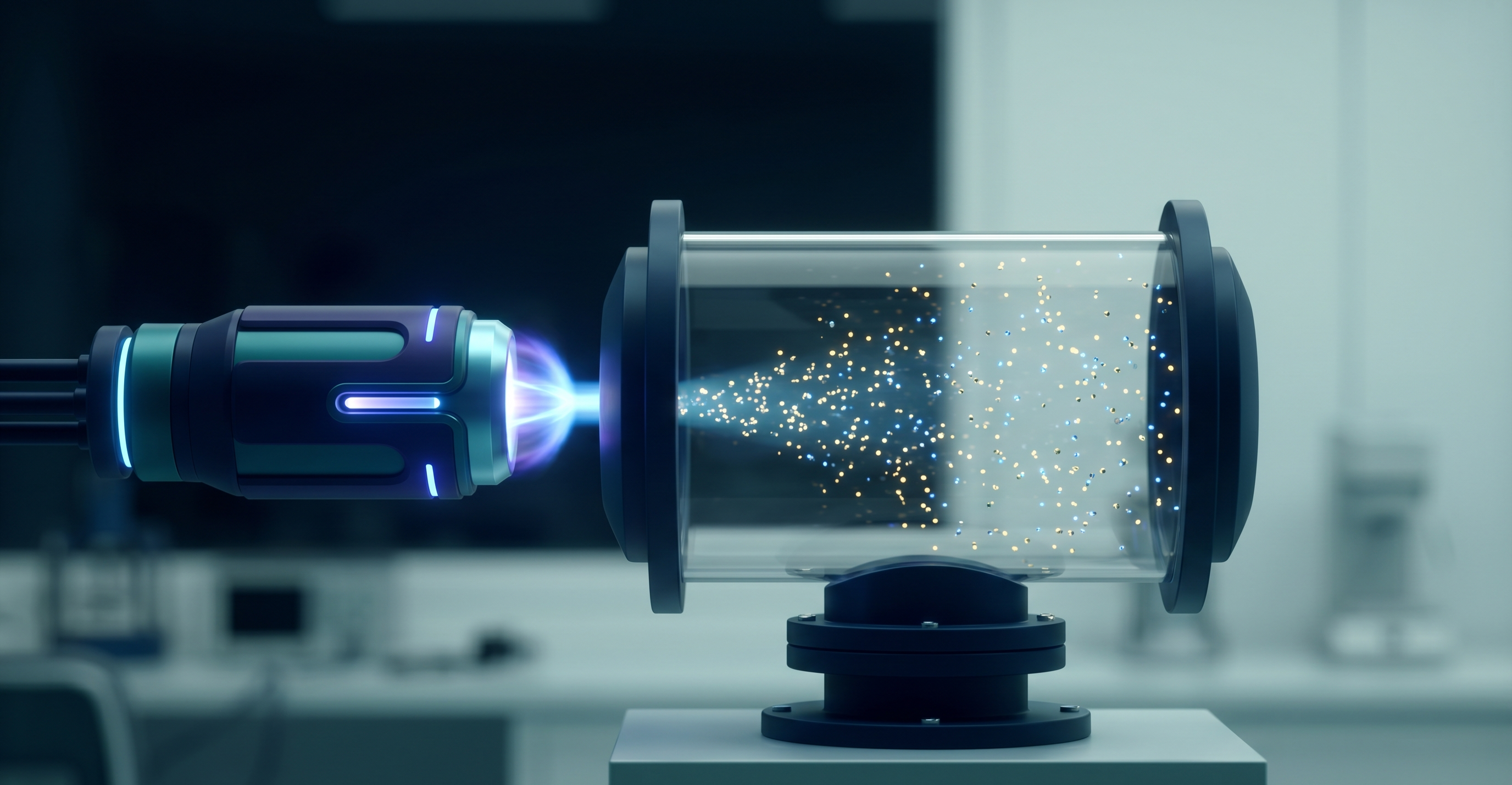
What it measures: Trace elemental contaminants — lead, arsenic, cadmium, mercury and others — at parts-per-billion sensitivity using Inductively Coupled Plasma Mass Spectrometry.
Why it matters: Heavy-metal contamination can enter via reagents, catalysts, or poor-quality raw materials. It accumulates in the body and is invisible to purity or identity testing — only elemental analysis reveals it.
Residual Solvents (GC-MS)
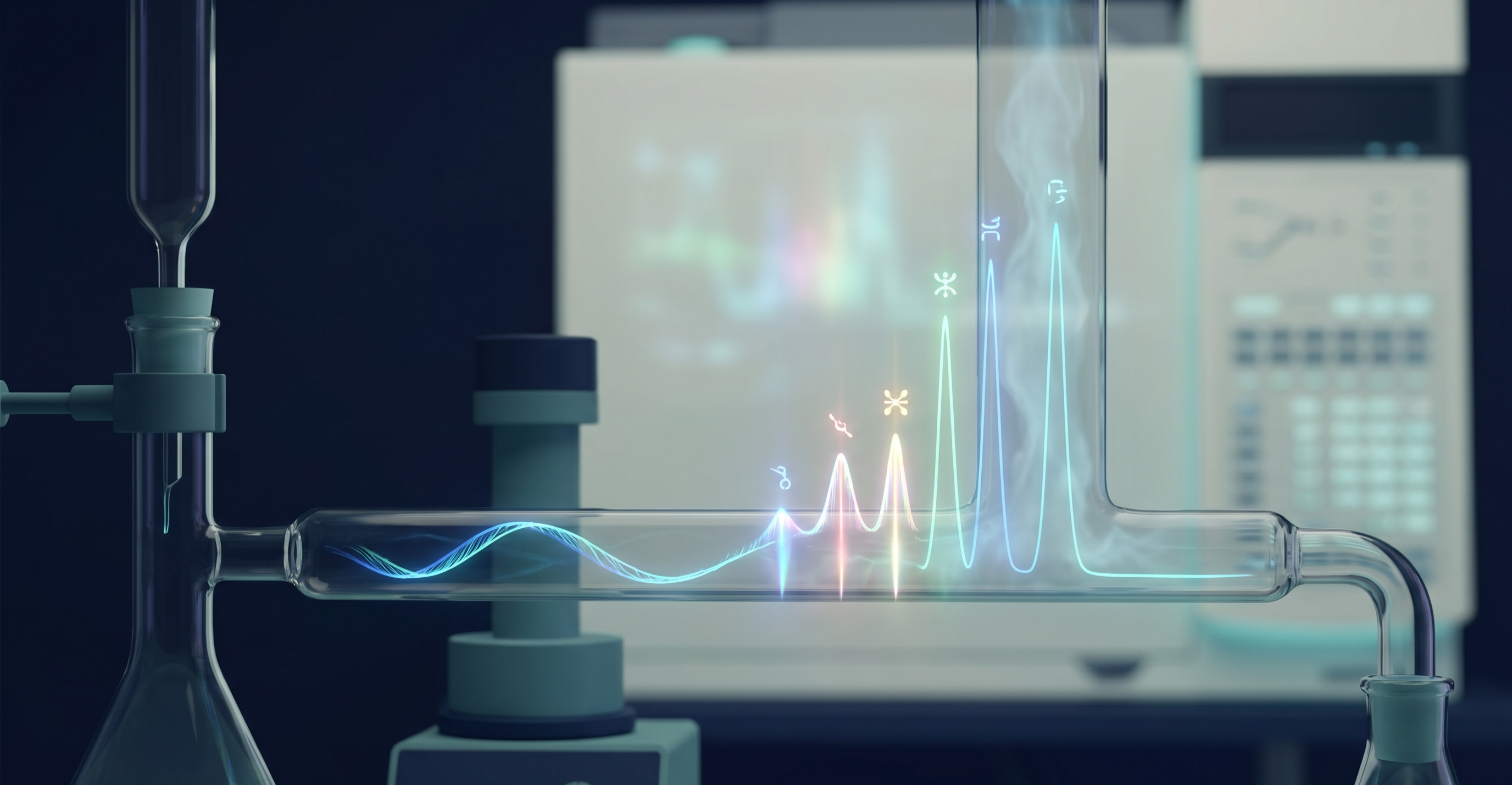
What it measures: Volatile organic solvents left over from synthesis and purification (e.g. acetonitrile, TFA, DMF) using Gas Chromatography–Mass Spectrometry.
Why it matters: Synthesis solvents are often toxic. Residual-solvent testing confirms they have been removed to within safe limits — a sign of complete, careful purification.
How to read a Certificate of Analysis (COA)
A trustworthy COA names the laboratory, a unique report/batch number, the methods used, and the results for each test — not just a purity figure. The best independent labs (such as Janoshik Analytical, widely regarded as the community reference lab) publish results to a queryable database so any COA can be verified by its report number, without involving the seller. If a COA cannot be independently verified, treat it as unverified.
PeptideXR is an independent, non-commercial educational resource. We do not sell peptides or testing services and are not affiliated with any laboratory. Most peptides discussed are research compounds not approved for human use. This page is for educational purposes only and is not medical advice.