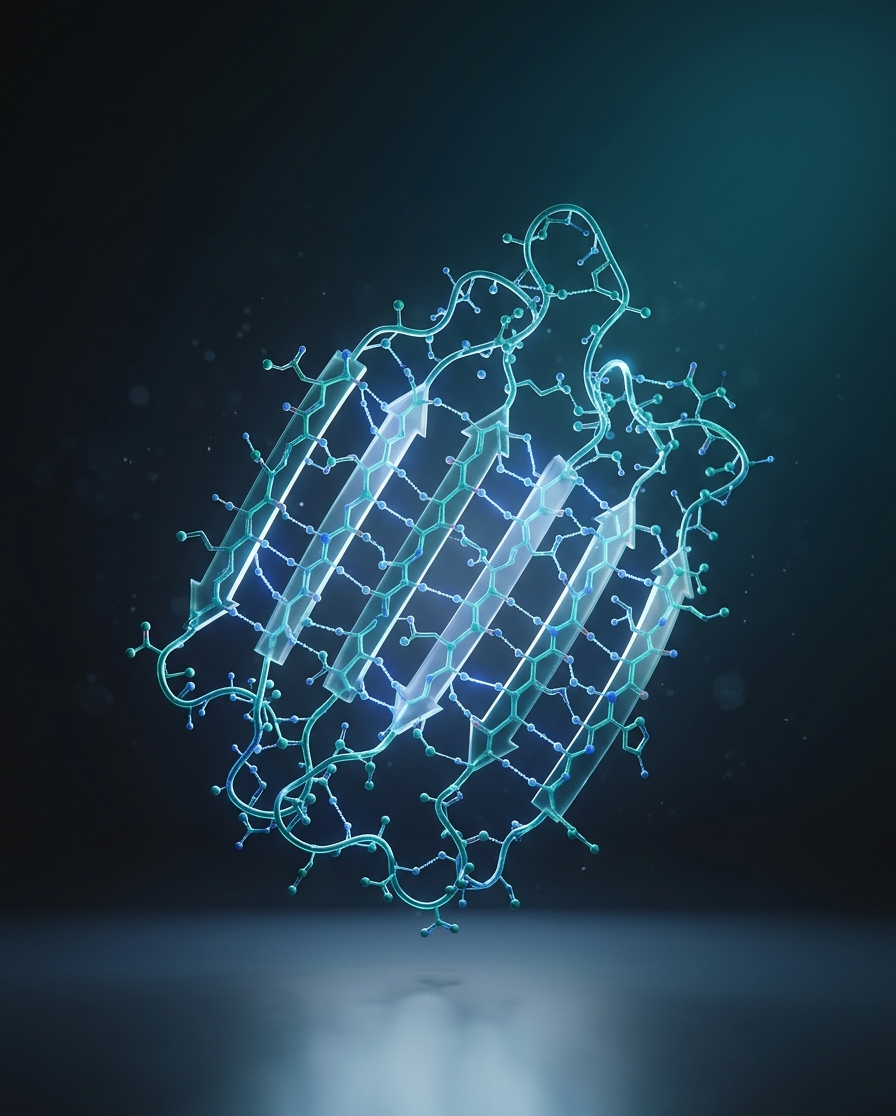
Peptide therapies are not merely “patches” that transiently mask dysfunction; when the field is viewed through a systems-engineering lens the evidence points to something more ambitious—an expanding toolkit that can re-tune, and in some cases re-program, the control loops of human physiology. The core objection to the “patch” label is pharmacokinetic: native peptides disappear in minutes, so any intervention that simply floods the extracellular space with the parent molecule would indeed behave like a short-lived software hot-fix. William Seeds in Peptide Protocols Volume One concedes this explicitly—“peptides have a very, very short half-life … they’re signaled, they do their job, and they exit”—but immediately adds that medicinal-chemistry “synthetic compounds” are being engineered for “longer half-life … deeper, longer-lasting effects,” including intracellular and intra-nuclear access. In other words, the community treats the short half-life as a design flaw to be engineered away, not as an inherent limitation that forever relegates peptides to symptomatic relief.
Multiple, independent sources describe the same convergent strategy: stabilize the molecule, protect it from proteases, and deliver it to the locus of control. The Handbook of Biologically Active Peptides catalogs chemical modifications (cyclization, N-methylation, lipidation, PEGylation) and non-parenteral routes (nasal, buccal, transdermal) whose explicit purpose is to convert a fleeting biological signal into a durable pharmacologic actuator. Peptides: Chemistry and Biology frames this as “engineering techniques … to prolong and/or enhance biological activity … minimizing immunogenicity, increasing bioavailability, reducing elimination, improving pharmacokinetics.” These are the textbook steps one takes when the goal is to move a component from the “expendable” layer to the “infrastructure” layer of a system.
A second line of evidence comes from the types of physiologic nodes the field is targeting. Seeds lists applications that span glucose-insulin control, inflammatory set-points, immune tolerance, neuropeptide tone, and even stem-cell fate. Khavinson’s work on short peptides (Peptide Regulation of Cell Differentiation; AEDG Peptide (Epitalon) Stimulates Gene Expression) goes further, showing that di- and tri-peptides can up-regulate telomerase, reset epigenetic methylation patterns, and push senescent oral stem cells back into cycling—changes that propagate through multiple cell generations after the initiating peptide has cleared. Those are not symptomatic patches; they are control-loop re-calibrations that persist because they rewrite the information state of the system.
The translational pipeline reinforces the same conclusion. Peptide Drug Discovery and Development reports that the number of peptide candidates entering the clinic per year has risen exponentially (1.7 per year in the 1970s → 16.9 in the 2000s) precisely because “widespread acceptance … together with improvements in tackling problems such as short half-life” has moved peptides from rescue therapy to chronic-use drugs such as GLP-1 agonists for diabetes and obesity. Six peptide products already exceed US $750 million each in annual sales, a figure incompatible with a “patch” narrative unless one assumes entire healthcare systems are content to pay blockbuster prices for temporary symptom relief.
Counter-intuitively, the most “patch-like” peptides appear to be the ones now being retired. Early CNS-targeted peptides, for example, failed because they could not cross the blood–brain barrier and were degraded within minutes; those limitations are being overcome with cell-penetrating peptides and intranasal depots that achieve sustained cerebrospinal-fluid levels. The field’s historical failures therefore illustrate the transition from patch to platform rather than confirming an eternal patch identity.
Where the books disagree is on the depth of systems-level integration that has actually been demonstrated. Seeds and Khavinson imply that peptides can re-wire aging itself, whereas Super Agers (Topol) cautions that “changing body-wide aging” is still aspirational and that current peptide successes (e.g., GLP-1 drugs) remain organ-focused. No source provides head-to-head data showing that an engineered peptide intervention outperforms a small-molecule or gene-therapy equivalent in maintaining a complex feedback network for years after cessation of treatment. That evidentiary gap is the critical uncertainty: we have proof-of-principle that peptides can be made long-lived and can hit master regulatory nodes, but we lack longitudinal studies demonstrating that the system stays “re-tuned” once the therapeutic signal is withdrawn.
References
- AEDG Peptide (Epitalon) Stimulates Gene Expression and — Khavinson
- Vladimir
- Ending Aging The Rejuvenation Breakthroughs That Could — Aubrey D N J De Grey
- Handbook of Biologically Active Peptides
- Peptide Protocols Volume One — William A Seeds MD
- Peptide Regulation of Cell Differentiation — Khavinson
- Vladimir (AUTHOR)
- Peptide drug discovery and development _ Translational — edited by Miguel Castanho and
- Peptides_ Chemistry and Biology, 2nd Edition
- Short Peptides Protect Oral Stem Cells from Ageing — Sinjari
- Bruna (AUTHOR)